For Inventors
ZI helps MUSC inventors navigate the commercialization journey from invention disclosure and intellectual property protection to licensing, startup formation, and industry partnerships. Whether you’re exploring a new idea or preparing to bring a technology to market, our team is here to help.

For Inventors
ZI facilitates the translation of cutting edge MUSC discoveries into products and services. Whether this is a technology license, research collaboration, new startup venture or any other commercialization activity, the Zucker Institute is here to help.
Our Process
Every innovation follows a unique path, but most discoveries move through five key stages on the journey from idea to impact. Our team works alongside inventors throughout the process, providing guidance, resources, and commercialization expertise at each step.

ideate
Start by sparking creativity within the campus community to generate innovative ideas.

Evaluate
Rigorously assess the scientific, clinical, commercial, and regulatory potential of these ideas.

PROTECT
Secure the intellectual property of promising concepts to safeguard their future.

DEVELOP
Move ideas forward by collaboratively transforming them into practical solutions.

Commercialize
Launch these innovations into the market to create real-world impact.
Licensing
Interested in Commercializing MUSC Technology?
Learn how the Zucker Institute partners with industry to evaluate technologies, negotiate agreements, and bring groundbreaking research discoveries to market. Explore our licensing process, agreement types, and commercialization framework.
Success Stories
Interested in Licensing Opportunities?
For Industry Licensing page.
Resources for Inventors
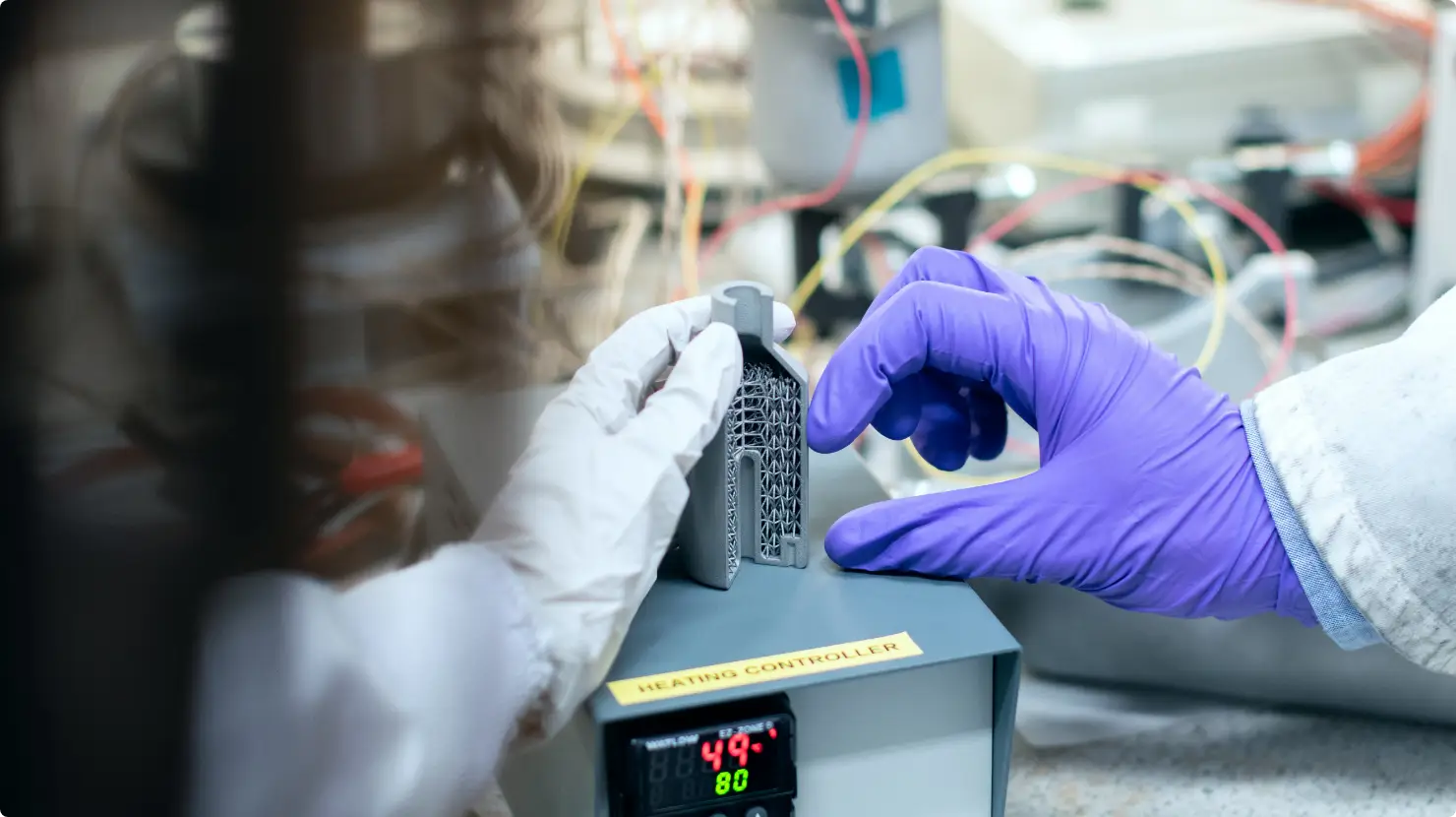
In-house Prototyping Lab
Commercialization Support

Royalty Distribution Schedule
MUSC shares a portion of net revenue generated through licensing and commercialization activities with inventors in accordance with university policy. Royalty distributions are processed quarterly and are based on when funds are received by the university.
The schedule below outlines when royalty payments are typically distributed after licensing revenue is received.
| Revenue Received | Distribution Month |
|---|---|
| November – January | February |
| February – April | May |
| May – July | August |
| August – October | November |
Interested in Building a Startup?
For some inventors, entrepreneurship can be an effective pathway for bringing innovations from the lab to the marketplace. ZI supports researchers and innovators exploring startup formation to translate their discoveries into real-world impact.
Through Blue Sky Launch and Founders Compass, inventors can access commercialization training, startup resources, mentorship, funding guidance, and accelerator opportunities designed to help navigate the journey from discovery to venture creation.
For Inventors FAQs
We understand that you may have questions about our resources and support for researchers. Below, we’ve compiled some frequently asked questions to provide you with the insights you need to get started working with the Zucker Institute. Whether you’re curious about our services, the invention process, or intellectual property, we’re here to guide you every step of the way. Explore the FAQs below to learn more:
What if I conceived my invention on my own time?
MUSC’s IP policy (MUSC NetID required to access) applies to inventions within your field of expertise, regardless of when they were created. Compliance with this policy is required for all employees and students.
What happens after I submit my invention?
Why is a detailed invention description important?
What constitutes a public disclosure?
Public disclosure includes communicating your invention to non-MUSC individuals through published manuscripts, conference presentations, webpages, grand rounds, dissertations, and funded government grants.
Why are the dates of disclosure important?
Inventors have one year from the date of public disclosure to file a patent application in the U.S. After this period, patenting the invention is no longer possible.
Why are Confidentiality and Non-Disclosure Agreements necessary?
These agreements protect proprietary information before sharing it with others. Without them, even casual conversations can be considered public disclosures, which could limit IP protections.
How does ZI help market my invention?
The Zucker Institute identifies potential commercial partners through various resources and prepares marketing materials. They contact companies to license the invention, secure research sponsorship, hire students, or engage you as a consultant.
Let’s work together to create a better future
At the Zucker Institute, we strive to provide a conducive environment that enables innovation. Through our extensive resources, we support researchers in translating their ideas into impactful solutions.